How to Stay Healthy in the Midst of Chaos or a Crisis
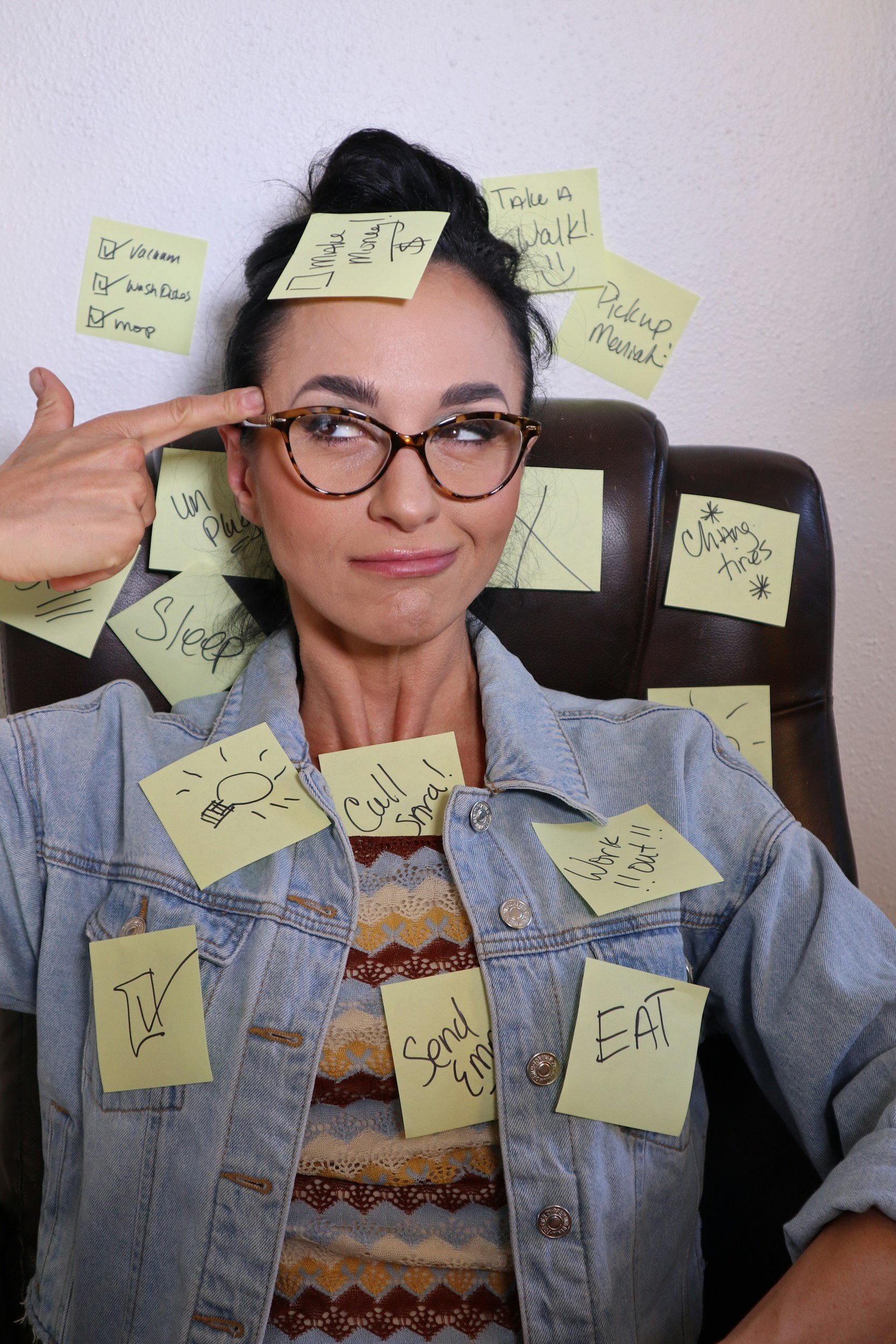
Radical Self-Care When Life Hits Hard
A friend looked at me recently and said,
“It’s like you’ve been dodging bullets for months — and now you’ve finally been hit.”
That’s exactly what it felt like.
A few weeks ago, I received news that changed everything. Shock set in first. Then disbelief. And finally the surreal realization that life would never quite be the same again.
Most of us know this moment in some form.
It might come as a diagnosis, a breakup, a divorce, a job loss, a sick loved one, or a child struggling. These moments don’t arrive gently. They hit hard and knock the wind out of us.
When Chaos Hits the Body
When life feels out of control, it’s easy to throw ourselves into caretaking, reacting, fixing — often at the expense of ourselves.
I watched old habits try to sneak back in:
numbing with food, sugar, wine, or Netflix
pushing through exhaustion
skipping movement and sleep
disconnecting from my body
And honestly?
That’s okay — for a moment.
Until it’s not.
Those behaviors are temporary band-aids. They can dull the pain briefly, but they eventually leave us more depleted — physically, emotionally, and spiritually. My body was already processing shock and grief. It didn’t need me adding more stress to the pile.
What it needed was care.
Why Self-Care Matters Most in Crisis
Here’s the truth I’ve learned again and again:
The more deeply we care for ourselves — mentally, physically, emotionally, and spiritually — the more grounded, courageous, and wise we can be when life feels unbearable.
Not because the situation changes.
But because we do.
What Radical Self-Care Really Means
Radical self-care isn’t bubble baths and checklists.
It’s deep compassion for yourself in the middle of the mess.
It’s listening to your body instead of overriding it.
It’s staying connected rather than disconnecting.
Mind, body, and spirit aren’t separate.
They’re one continuous whole.
Here’s what helped me.
Know Who Your People Are
In the first wave of shock, my nervous system was overwhelmed. I couldn’t see clearly or hold perspective.
I knew I needed people who could:
hold space without spiraling
choose steadiness over panic
reflect truth without feeding fear
Not the friends who rush in with wine and outrage — but the ones who can sit in compassion and remind me of the bigger picture.
Choose your people wisely.
Let Yourself Feel What’s There
This one is hard.
Each morning, I sat on my yoga mat and allowed whatever was present — sadness, fear, anger, grief — to be there. Every part of me wanted to get up and distract myself.
But feelings don’t disappear when we ignore them.
They wait.
Letting them move through me — without story, without fixing — was how my body began to process what had happened.
Challenge the Story
Much of our suffering comes not from the event itself, but from the story we tell about it.
Putting thoughts on paper helped me see where I was stuck — in “this shouldn’t have happened,” or “something has gone wrong.”
When we question our beliefs, space opens.
Perspective shifts.
Relief becomes possible.
Pain is real — but pain filtered through perception can soften.
Stay Connected Spiritually
My spiritual practice has been my anchor since my health and mental crash years ago. It’s evolved over time, but the truth remains:
We are not doing this life alone.
Whether you call it God, Source, the Universe, or something else — support is available when we’re willing to receive it. This connection doesn’t remove pain, but it brings meaning, guidance, and steadiness.
Get Outside
Nature regulates the nervous system in a way very few things can. Even in winter, even for a few minutes — being outdoors grounds the body and reminds us that life continues.
Say No to the Optional
When life hits hard, everything doesn’t get equal priority.
Not everything is urgent.
Not everything is necessary.
Much of it is negotiable.
Create space. Pain needs room to move — otherwise it will find louder ways to be heard.
Move Gently
Movement helps the body process shock.
For me, yoga has always been a place where emotion can move without words. Some days that meant yin. Other days, flow. Sometimes it was just breathing on the mat.
The key was listening — not pushing.
Nourish Instead of Punish
Stress disrupts digestion and blood sugar. Emotional eating urges can resurface even after years of healing.
Instead of shaming myself, I chose nourishment:
easy-to-digest foods
soups, smoothies, grounding meals
simplicity over restriction
Feeding the body is an act of safety.
Move Toward Acceptance — When You Can
Acceptance doesn’t mean approval.
It means stopping the fight with reality.
As Byron Katie says, “When you argue with reality, you lose.”
Acceptance arrived slowly for me — but when it did, peace followed. You’ll know you’re there when your body softens and the mind quiets.
A Gentle Closing
I hope you never experience something like this.
But if you do, I hope you choose radical compassion — for your body, your heart, and your nervous system.
Because caring for yourself deeply is not selfish.
It’s what allows you to stay whole when life breaks open.
In steadiness and care,
Angela 💛