Byron Katie: The Work That Woke Me Up
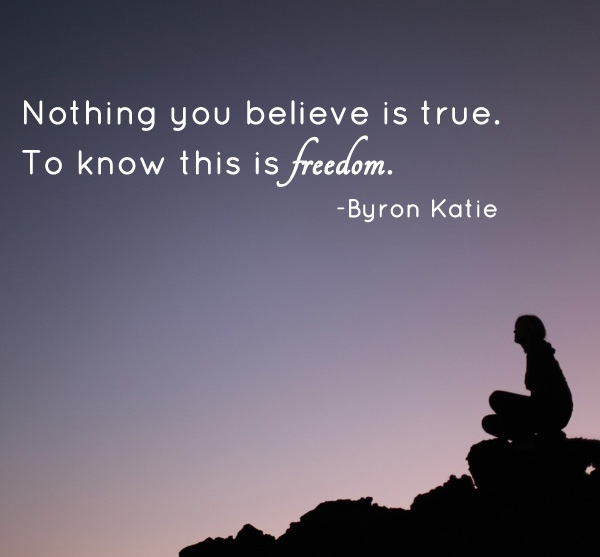
Byron Katie: The Work That Woke Me Up
Byron Katie is one of the most influential teachers I have ever learned from — not because she told me what to think, but because she showed me how to question the thoughts that were quietly destroying me.
I found Katie shortly after my crash, during a time of deep depression when life felt dark, heavy, and hopeless. The idea that I could ever feel free again seemed unrealistic. I wasn’t looking for inspiration — I was just trying to survive.
Katie gave me something I hadn’t felt in a very long time: possibility.
She teaches a method called The Work — four simple questions and a turnaround — designed to help us question the thoughts we believe. At first glance, it seems almost too simple. But I started practicing it… and I never stopped. I did it daily, sometimes all day, for that first year after my crash.
What follows aren’t instructions on how to do The Work. They are the core lessons I absorbed so deeply that they changed how I live.
No One Can Hurt Me — That’s My Job
One of the most liberating things Katie taught me is that no one can hurt me emotionally unless I believe the thought that hurts me. Other people can have opinions, judgments, and reactions — but they only wound me if I accept them as true.
This idea gave me back my power. It allowed me to stop trying to control others and start taking responsibility for what I believed.
Don’t Argue With Reality
Katie says that when we argue with reality, we lose — but only 100% of the time. The past already happened. The present is already here. Resisting either only creates suffering.
This didn’t mean I stayed stuck. I changed my life in big ways. But I stopped fighting what had already occurred. Acceptance brought clarity. Resistance only brought pain.
Everything Has Already Happened the Way It Should Have
This was one of the biggest mind-blowers for me. Could it be that I had lived the exact life I was supposed to live up until that moment — even the parts I deeply regretted?
This perspective freed me from shame and self-hatred. It allowed me to learn from my past instead of punishing myself for it. New choices can only come from the present, not from hating who we were.
Suffering Is a Signal, Not a Sentence
Katie teaches that suffering is an alarm — a signal that we are attached to a thought. When we believe stressful thoughts, we suffer. When we question them, suffering softens.
This shifted how I relate to discomfort. Instead of avoiding it, I became curious. What am I believing right now?
Nothing Outside of Me Can Give Me What I’m Looking For
I spent much of my life believing that happiness, safety, or peace would come from changing my circumstances — more money, better relationships, different outcomes.
Katie helped me see that what I was looking for was never outside of me. Circumstances don’t create suffering. Thoughts do. And that is actually very good news, because thoughts can be questioned.
Byron Katie didn’t fix me.
She didn’t save me.
She simply held the light of possibility long enough for me to see that freedom was available — not someday, not when life changed — but right here, in my own mind.
If her work resonates with you, I highly recommend exploring The Work and her book Loving What Is. Give it time. Practice gently. Let curiosity lead.
For me, it was the beginning of waking up to the suffering I was creating within myself.
Today, I no longer experience depression or anxiety — something I didn’t even know was possible from the time I was a teenager. That doesn’t mean life is perfect or that challenges don’t arise. It means I no longer live at the mercy of my thoughts.
When discomfort shows up now, I see it as information, not an identity. I know where to look. I know how to inquire. I know that peace is not something I need to earn or chase — it’s something that becomes available when I stop arguing with reality.
Byron Katie didn’t give me answers about life. She taught me how to question the beliefs that were keeping me trapped in suffering. That practice changed everything.
For me, The Work wasn’t self-improvement.
It was waking up.